Peer Review Process
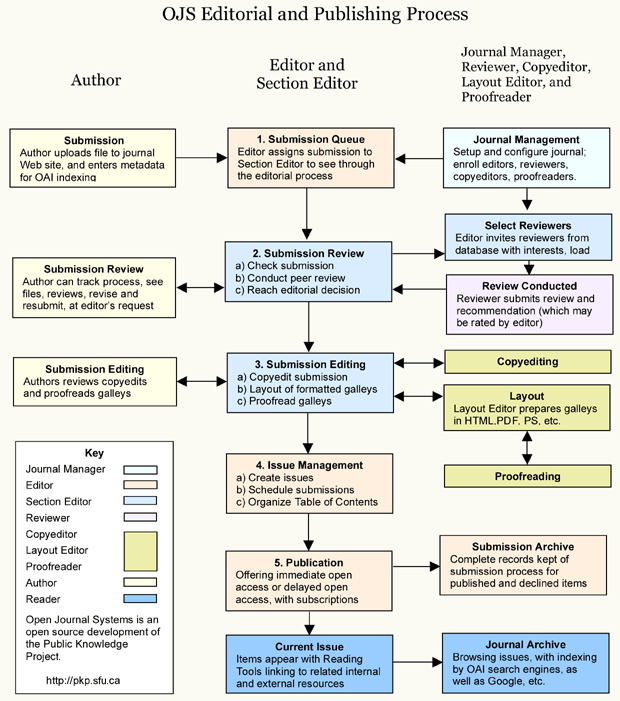
The editor will initially review each submitted manuscript to determine whether it complies with the submission guidelines, editorial policies, and scope of Semarang Law Review (SLR). Manuscripts that meet the journal’s requirements and are considered suitable for further consideration will proceed to the peer review process.
Semarang Law Review (SLR) is a double-blind, peer-reviewed journal that involves qualified reviewers with relevant expertise in various fields of law. The identity of both authors and reviewers is kept confidential throughout the peer review process. The final decision regarding the acceptance, revision, or rejection of a manuscript rests with the editor, taking into consideration the reviewers’ comments and recommendations, as well as the overall quality and suitability of the manuscript.
Plagiarism and self-plagiarism are strictly prohibited. SLR uses Turnitin to screen submitted manuscripts for plagiarism and textual similarity. Similarity detection and overlap analysis may be conducted during the editorial process. Authors are therefore required to provide appropriate citations and references for all sources used in their manuscripts.
Estimated Timeline for the Article Publication Process
The overall article publication process generally requires approximately 16–20 weeks from initial manuscript submission to final publication. The actual duration may vary depending on manuscript complexity, reviewer availability and responsiveness, the quality and timeliness of revisions submitted by the authors, and the journal’s editorial workflow.
- Initial Editorial Assessment (Basic Review). The manuscript undergoes an initial editorial evaluation to assess its suitability with the journal’s scope, formatting requirements, publication ethics, and general academic quality. This stage normally takes approximately 2–4 weeks.
- Author Revision Following the Initial Assessment. If revisions are required at the initial assessment stage, authors are invited to revise the manuscript according to the editor’s comments and recommendations. Authors are generally given 1–2 weeks to complete the required revisions.
- Double-Blind Peer Review. Manuscripts that pass the initial editorial assessment are submitted to qualified reviewers for substantive evaluation. Reviewers assess the manuscript’s originality, legal and academic arguments, methodology, analysis, references, and contribution to the field of law. This stage generally takes approximately 6–8 weeks, depending on reviewer availability and manuscript complexity.
- Revision Based on Reviewer Comments. Authors are required to revise their manuscripts in accordance with the reviewers’ comments and recommendations. The standard timeframe for this revision is approximately 2–3 weeks.
- Editorial Evaluation and Final Decision. The editor evaluates the revised manuscript and the authors’ responses to the reviewers’ comments. Where necessary, additional evaluation or consultation with reviewers may be conducted before a final editorial decision is made. This stage generally takes approximately 1–2 weeks.
- Layout Editing and Proofreading. Manuscripts that have been accepted proceed to layout editing and proofreading to ensure consistency in formatting, accuracy of content, and publication readiness. This process generally takes approximately 2–3 weeks.
- Author Confirmation of the Final Manuscript. Authors are given an opportunity to review and confirm the final version of the manuscript before publication. The standard timeframe for this stage is approximately 1 week.
- Finalization and Publication. The final stage includes administrative processing, issue scheduling, DOI registration, and publication of the article on the journal’s website. This stage generally takes approximately 1–2 weeks, depending on the publication schedule.
Overall Estimated Publication Timeline: The entire editorial and publication process is estimated to take approximately 16–20 weeks from initial submission to final publication, provided that authors complete the required revisions within the specified timeframes and comply with the journal’s editorial procedures and publication requirements.